The Knowledge LedgerThe Knowledge LedgerFollow on WhatsApp

A curated stream of high-signal insights across Technology, Healthcare, Lifesciences, AI, Oncology, Business, Entrepreneurship, Leadership, Philosophy and beyond.

Thoughtful, cross-disciplinary content designed to expand how you think, not just what you know.

No noise. Only substance.

Filtered by #indiaClear filter
Jun 3, 2026·substack.com

The Empty Seat Problem

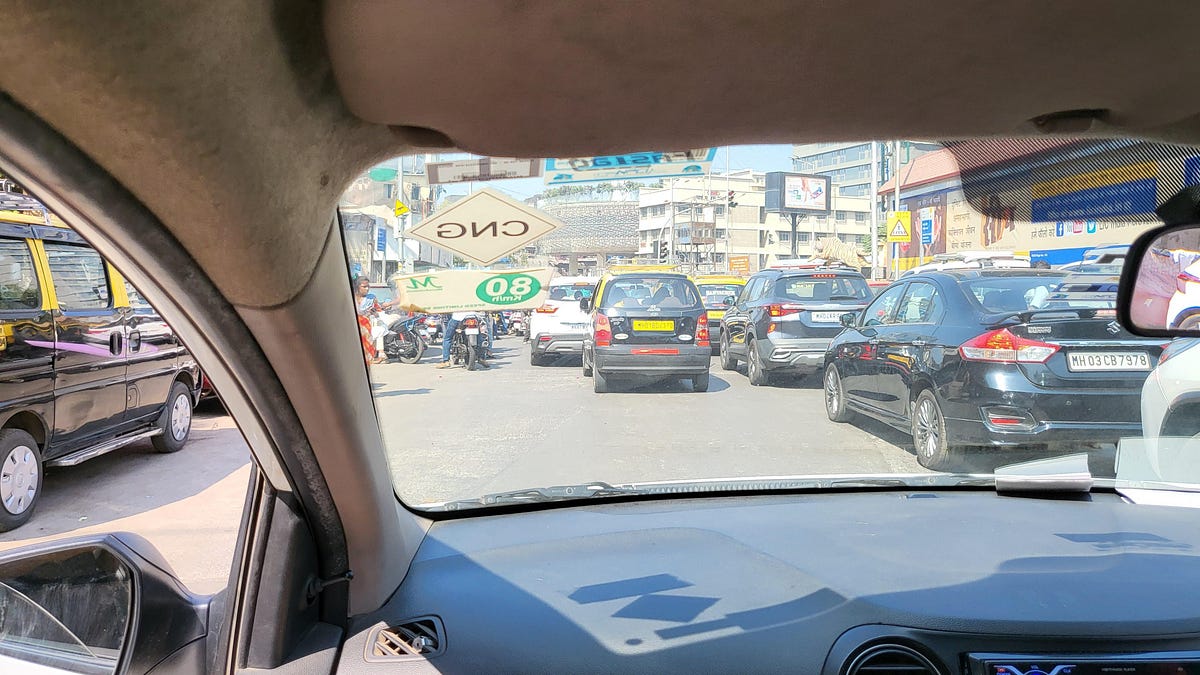
India doesn’t have a vehicle shortage. It has a seat shortage in reverse.

Most private cars on Indian roads carry just 1.2–1.5 people. The other seats sit empty. This chronic underutilization of existing vehicle capacity is a root driver of traffic congestion, fuel waste, air pollution, and the extreme heatwaves that have made Indian cities dominate global “hottest places” lists in 2026.
May 20, 2026·x.com

UCP and ONDC: Language vs Highway in Agentic Commerce

Google's Universal Commerce Protocol (UCP) and India's ONDC are not rivals. They operate on entirely different layers of the commerce stack and together create a powerful symbiotic system for the agentic era.

UCP functions as the universal language — standardizing how any AI agent discovers inventory, negotiates, and handles post-purchase. ONDC functions as the sovereign open highway — built on Beckn protocol and India Stack.

May 19, 2026·substack.com

India's Electricity Supercycle

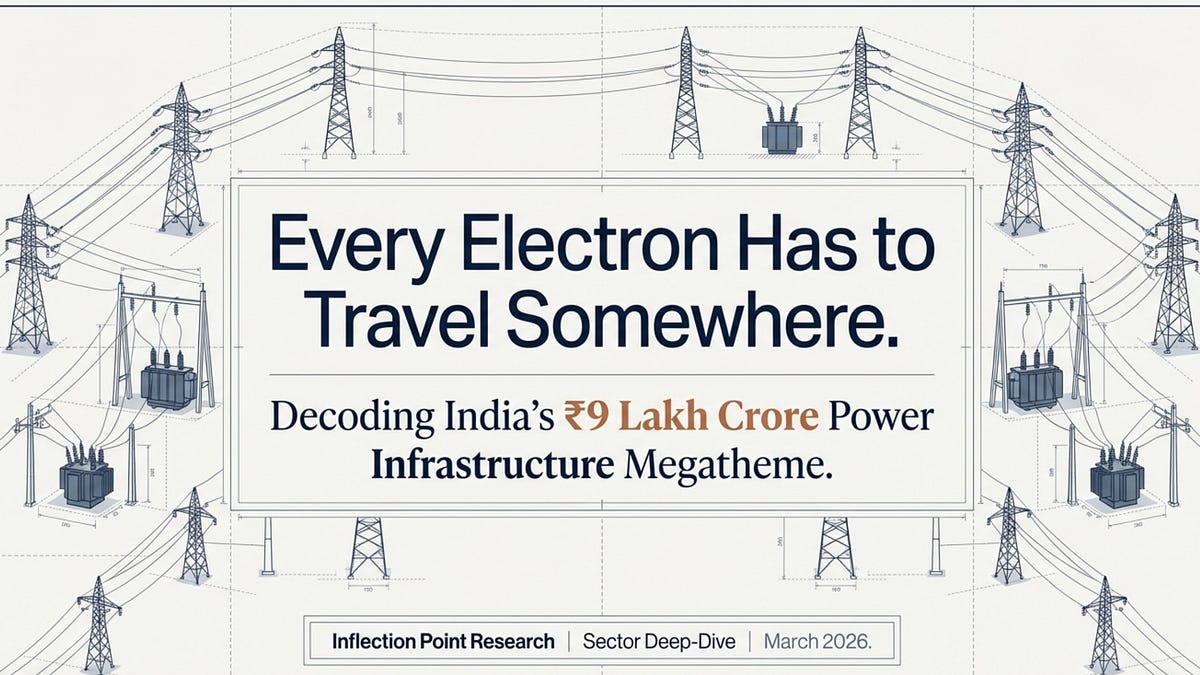
India is entering a structural, multi-year boom in electricity infrastructure.

Per capita consumption sits at just 1,300 units per year — far below the global average of 3,400, China’s 5,900, and South Korea’s 10,000+. This enormous gap, combined with surging demand from AI data centers, EVs, manufacturing revival, and renewable integration, has triggered a massive investment wave.

Apr 26, 2026·substack.com

The Pharmacy Formula the World Can't Quit

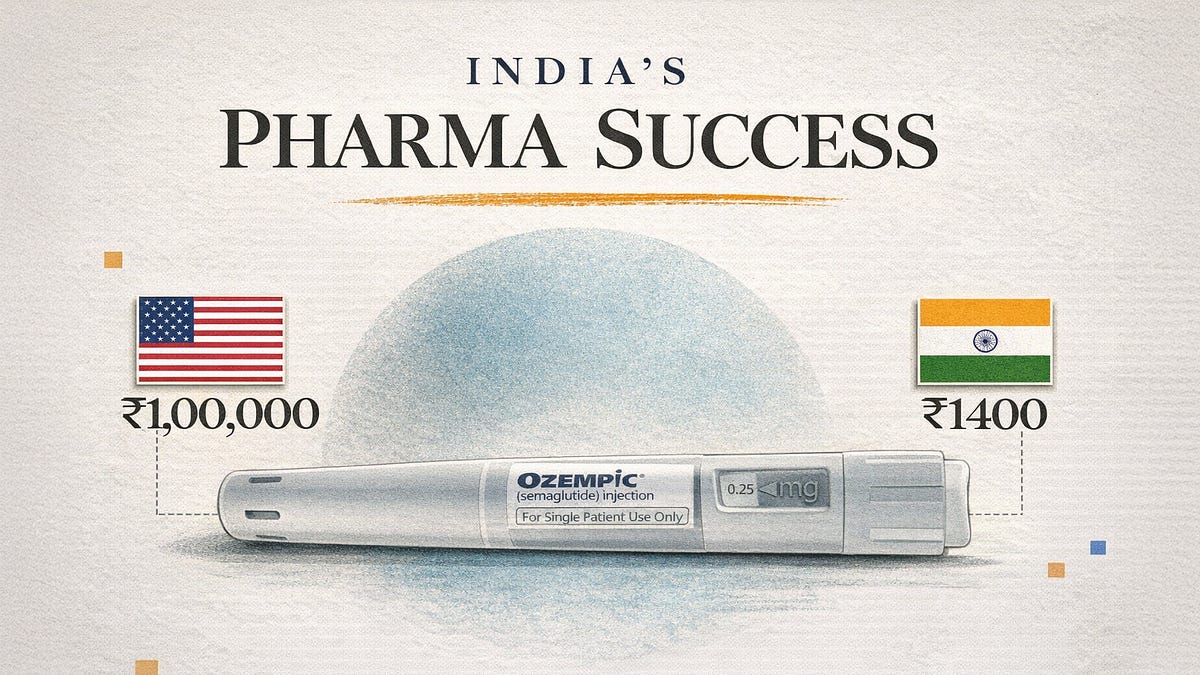
India is the “Pharmacy of the World”— not by accident, but by design.

The 1970 Patents Act flipped the script: instead of product patents (owning the molecule), India allowed process patents. Any company could legally manufacture the same drug using a different method — making patented medicines up to 99% cheaper.