
The Empty Seat Problem
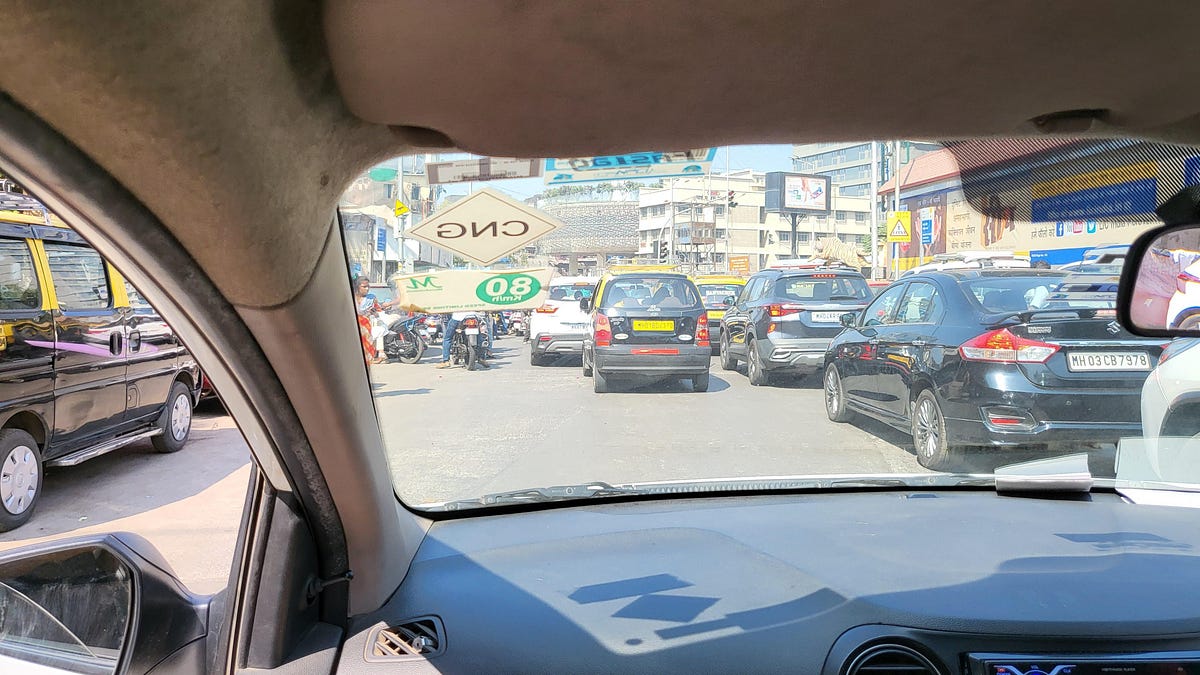
India doesn’t have a vehicle shortage. It has a seat shortage in reverse.
Most private cars on Indian roads carry just 1.2–1.5 people. The other seats sit empty. This chronic underutilization of existing vehicle capacity is a root driver of traffic congestion, fuel waste, air pollution, and the extreme heatwaves that have made Indian cities dominate global “hottest places” lists in 2026.
The article shows that raising average occupancy from 1.5 to 2.5 persons per vehicle could cut CO₂ emissions per passenger-kilometre by up to 22%. At national scale, large-scale carpooling could eliminate 7.8 lakh vehicle trips per day, save 380 million litres of fuel annually, and avoid 0.87 million tonnes of CO₂ — equivalent to the carbon absorbed by 40 million trees.
The biggest barrier isn’t technology or demand. It’s a regulatory grey zone that treats non-commercial, cost-sharing carpooling the same as profit-driven ride-hailing. The fix requires creating a dedicated legal category for “Carpooling Intermediaries,” enabling single national registration, clarifying 100% cost recovery rules, and adding simple behavioral nudges like printing “Carpooling is better for the environment” on registration certificates and toll plazas.
This Ledger Entry expands how readers think about systemic inefficiencies in India by framing the chronically empty seats in private vehicles as a massive untapped resource whose underutilization directly fuels traffic congestion, fuel waste, air pollution, and the extreme heatwaves the country is experiencing — and shows how targeted legal and policy changes could unlock large-scale carpooling as a high-leverage solution.