
Can AI Build a Jet Engine? Lessons from MIT’s JARVIS Challenge
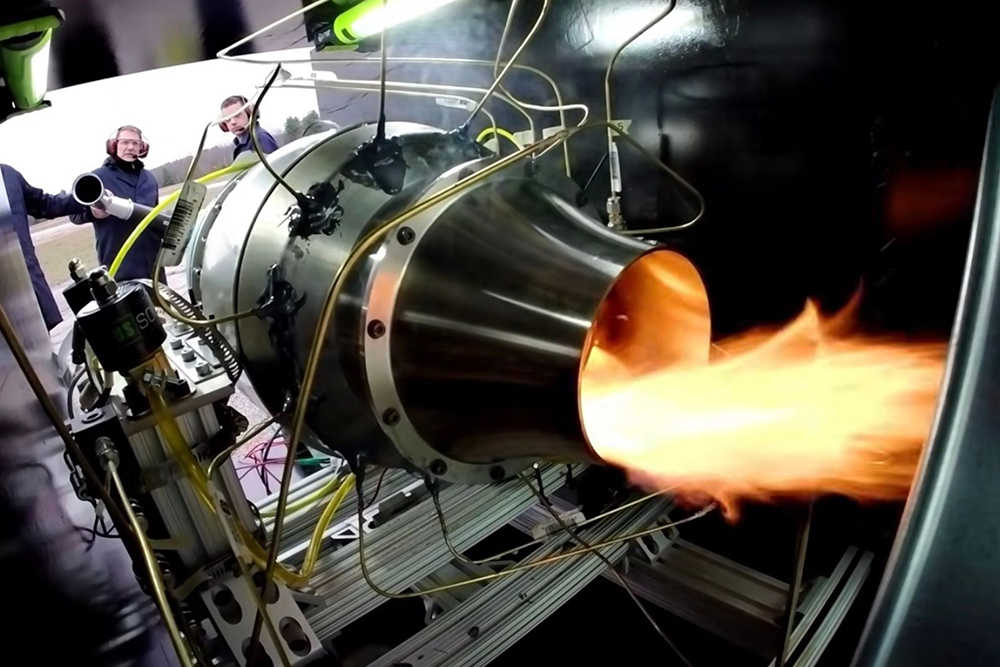
MIT ran a striking experiment: give undergraduate teams four weeks, unlimited access to modern AI tools, and the task of designing, building, and testing a real subscale jet engine that produces 50–100 pounds of thrust on Jet-A fuel.
The results were revealing. AI proved useful for retrieving and summarizing technical knowledge, exploring design alternatives, teaching software tools, and accelerating early analysis. However, it struggled with detailed CAD reliability, physical intuition, and — most critically — the manufacturing and vendor realities that became the true rate-limiting step. Hallucinations and sycophancy further eroded confidence when teams needed precision.
Success correlated more strongly with human engineering judgment, first-principles understanding, and prior experience than with how heavily teams used AI. The winning team relied more on fundamentals than on aggressive AI assistance. AI acted as a powerful multiplier for more experienced students but was less effective (and sometimes actively unhelpful) for novices who could not properly evaluate or challenge its outputs.
The challenge underscores a broader lesson: in safety-critical, physical domains, the decisive skill is not simply using AI, but leading it — knowing when to trust it, when to question it, and when to fall back on physical experimentation and human accountability. Education in first principles and hands-on experience remains more valuable than ever.
This Ledger Entry expands how readers think about AI in engineering by showing that while generative AI can accelerate knowledge work and design exploration in complex physical systems, manufacturing realities, physical intuition, and human judgment remain the decisive factors — and that the ability to lead and critically evaluate AI becomes more important than simply using it.